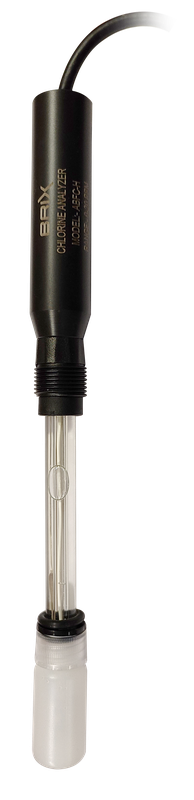
The ABCL is an electrode Amperometric sensor that operates on the Potentiostatic Amperometry method. This digital sensor comprises integrated electronic circuits and microprocessors housed within its structure. The ABCL housing is a robust Dust and Waterproof enclosure. Its design incorporates power and output isolation to guarantee electrical safety. Additionally, it features an in-built protection circuit, enhancing its resistance to interference and enabling adaptation to complex environments. Facilitating communication through an RS-485 transmission interface, the sensor employs the MODBUS-RTU communication protocol. This protocol, known for its simplicity and user-friendly nature, enables the sensor to output extensive electrode diagnostic information, showcasing its intelligence. With a low power consumption design, the sensor is suitable for a variety of usage scenarios. Furthermore, its internal memory serves to store calibration and setting information, ensuring data preservation in the event of a power failure.
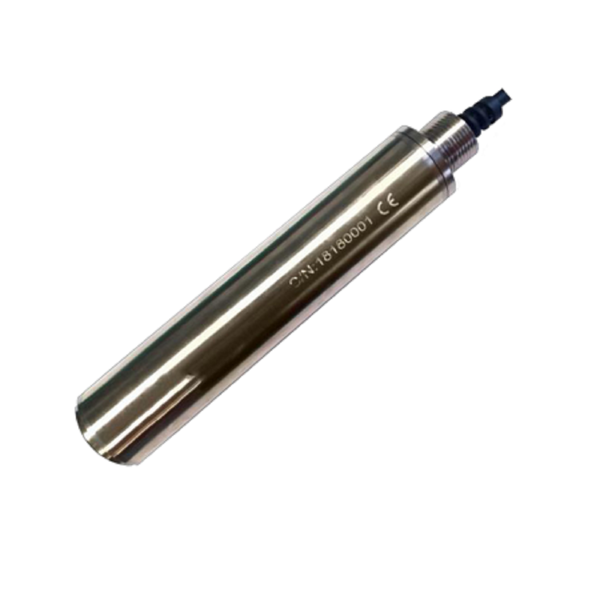
Oil in Water Sensor
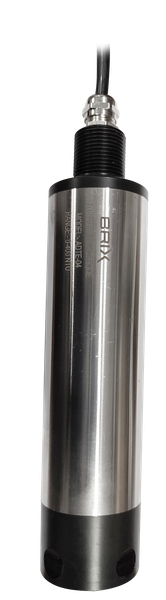
Turbidity Sensor
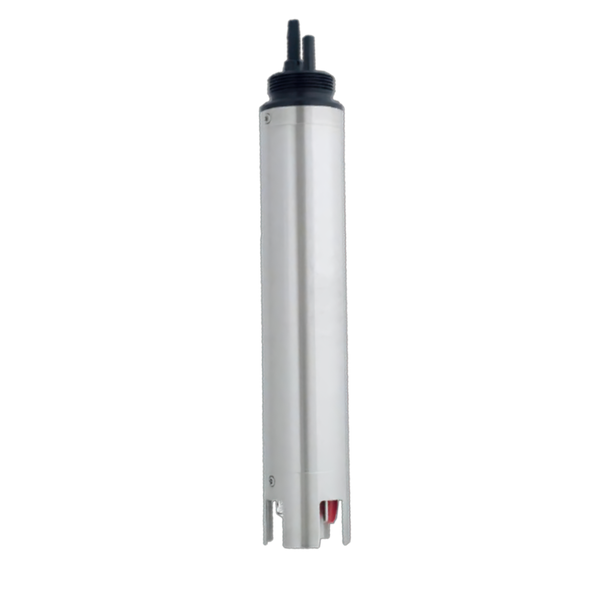
Ammonium/ Nitrate Sensor
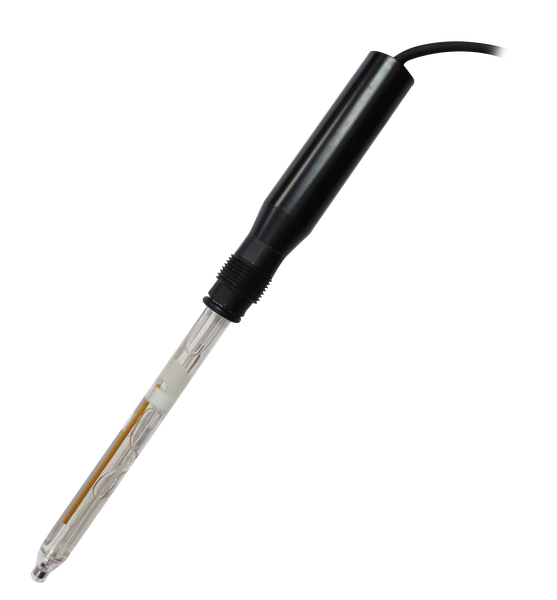
pH/ ORP Sensor
Connect with our product experts for detailed insights, recommendations, and support throughout your buying journey.
You can also reach us at +91 99099 06354 or info@axisindia.in.